Chapter I
The witnesses
The Ghanaian voices in VRT’s film are all in court with the church: two former bishops who have been suing it since 2021, and a journalist the church is suing for defamation, whom a court found in contempt in that case. VRT disclosed none of this, and did not tell viewers that its psychologist once chaired a Flemish anti-sect association.
The people VRT put on screen
-
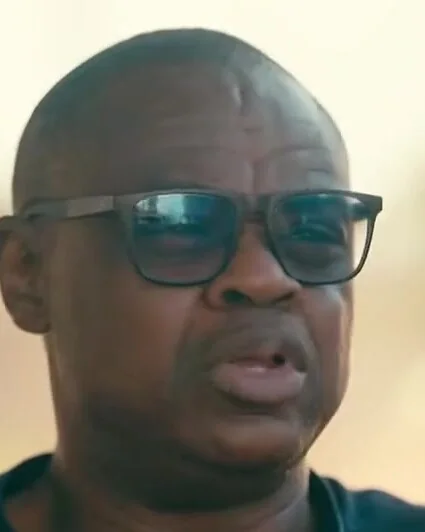 Lawrence Odonkor
Former bishop, shown as “ex-bishop Lawrence”
Suing the church since 2021. Convicted in Madagascar of breach of trust and embezzlement of church property; two appeals dismissed.
-
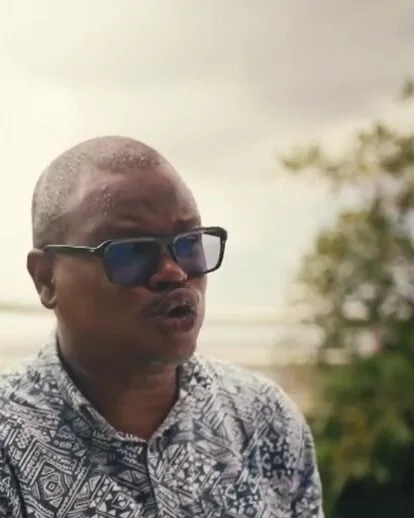 Emmanuel Oko Mensah
Former bishop, shown as “ex-bishop Emmanuel”
Suing the church since 2021. Ghana’s state pension fund, SSNIT, shows his contributions paid from 2003 to 2018.
-
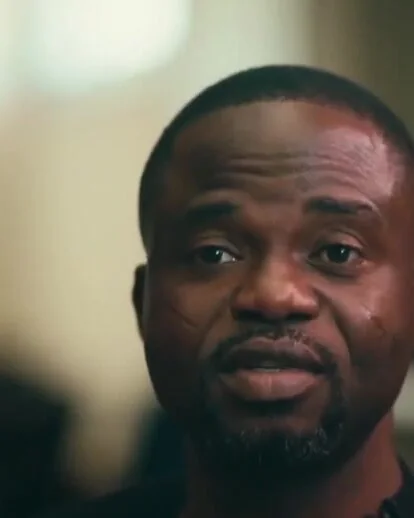 Manasseh Azure Awuni
Journalist, shown as an investigative reporter
Being sued by the church over these stories. Found in contempt in that case and ordered to apologise to Bishop Dag.
- Morel Former Go Church leader in Belgium The one line tying Bishop Dag to the abuse rests on his belief that “he knows everything”. No date, no message, no source.
-
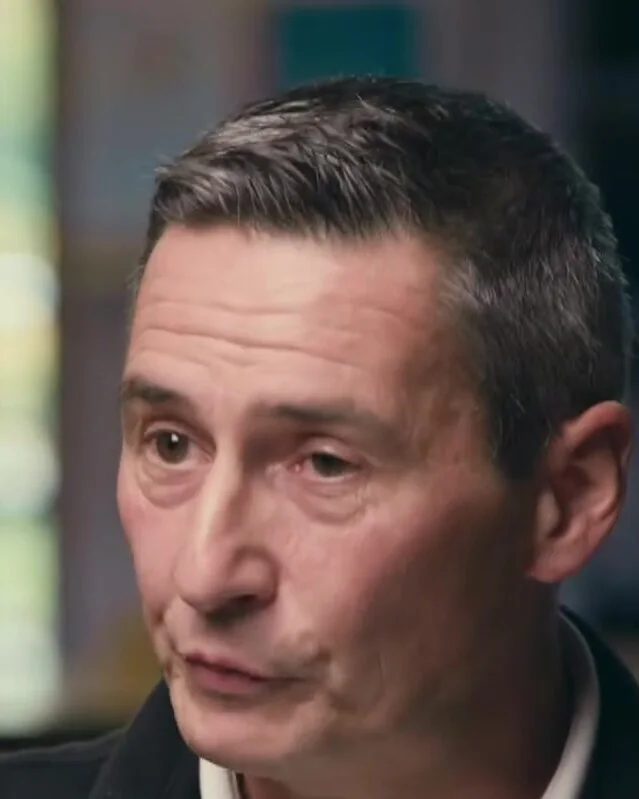 Johan Detraux
Shown as “religious psychologist and former Jehovah’s Witness”
Once president of a Flemish study and advice group on sects, and a substitute member of the state’s sect-watch centre. VRT disclosed neither.
- Wim Vandewiele KU Leuven sociologist of religion On air he spoke only of “traces” of a harmful movement, and said such groups “are certainly not banned”.
On the evening of Wednesday, October 21st, a Belgian television programme called Pano aired a forty-six-minute documentary about a church most of its viewers had never heard of. Pano is made by VRT, the public broadcaster for Flanders, the Dutch-speaking part of Belgium. The film was called “Undercover bij Go Church” (“Undercover at Go Church”), and it was made with the newspaper De Morgen.
It opened with secret camera footage from a church hall in Merksem, near Antwerp. It ended with a verdict. A young church in Antwerp, Ghent and Leuven, the film said, was manipulating teenagers, taking their money and serving a bishop from Ghana as if he were a god.
Within two days, doors began to close.1 VRT NWS, follow-up on venues and cities, 22 Oct 2026 The city of Mechelen ended a hall contract. The university in Leuven, KU Leuven, stopped the church from using its rooms. Turnhout shut a youth centre to it. A hall in Sint-Niklaas cancelled its booking. No court had ruled against the church. No one had been charged with a crime. The film alone was enough.
It was enough because people trust Pano. Viewers believe what it shows them, because it uses real people, named experts, hidden cameras and a reporter on the ground in Ghana. So the first thing to check is who these people were. The programme told its audience what these people said. It did not tell them who they were. This chapter does.
The investigation did not start with a tip from inside the church. By the programme’s own account, it started with a post on TikTok.2 VRT broadcast, 02:25 to 02:46; VRT NWS, main article, 21 Oct 2026 An anonymous young religion teacher asked teenagers in Antwerp to send Pano anything they had experienced “that should be investigated”. More than thirty former members answered.
These former members were describing their own lives, and their accounts deserve to be heard. But when you ask for complaints, you get complaints. Go Church says that about four hundred and fifty people attend each week.3 Go Church’s written reply to VRT (its own figure) The film did not give that number. And it did not put a single current member’s experience on camera.
Then the reporters flew to Ghana.
There, the narrator says, they met “six former bishops”. These were men who had worked for years alongside Bishop Dag Heward-Mills. Go Church is a Belgian church, led by its own pastors. It looks to Bishop Dag Heward-Mills as a spiritual father: it reads his books and uses his teaching. The six men had spoken about the church to a Ghanaian journalist five years earlier.
“Six former bishops” sounds powerful. It is also wrong. Only two of the six were bishops.4 Citi Newsroom, Aug 2021 The other four were a reverend and three pastors.
Those two bishops give the film its strongest accusations. Lawrence Odonkor says that if the devil walks the earth, he appears as Dag Heward-Mills. Emmanuel Oko Mensah says the church’s money is “channelled to Mills”, meaning it flows to Bishop Dag.
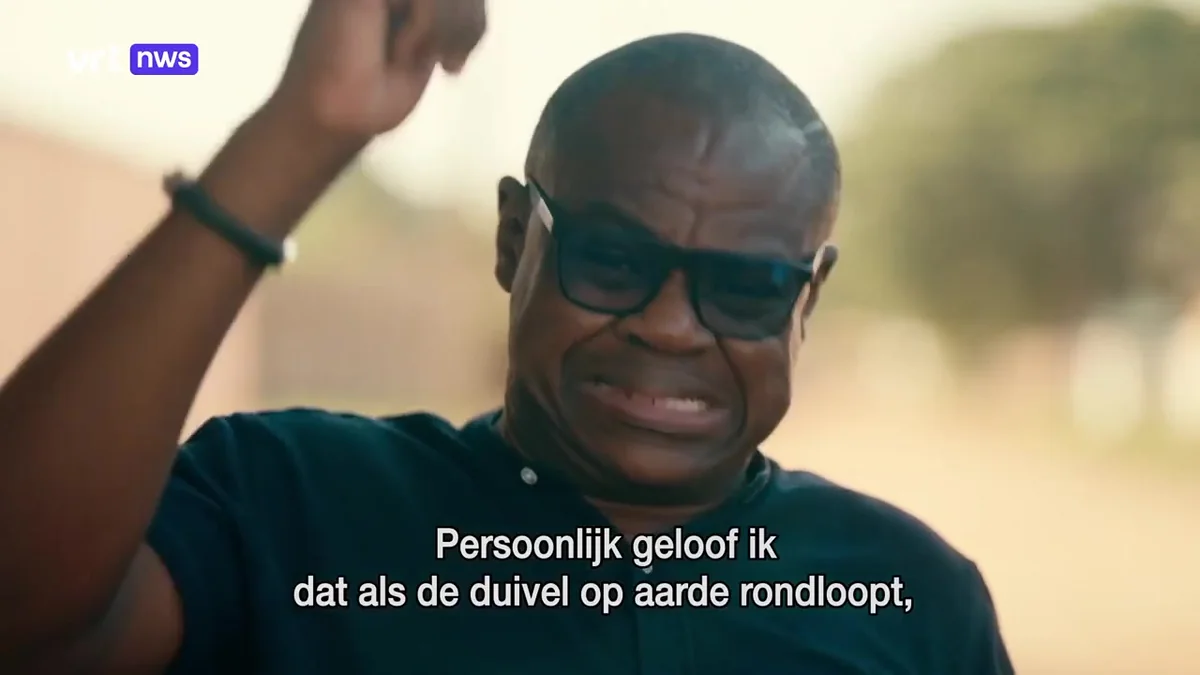
Here is what the film does not tell you. Both men have been suing the church since April 2021.5 MyJoyOnline, the labour suit filed 19 Apr 2021 They are the lead plaintiffs (the people who bring the case) in a dispute over pay and pension payments. They are on the other side of a court case against the church that is still going on.
And the film does not tell you what happened to Odonkor in Madagascar.
In April 2023 a criminal court in Madagascar convicted him of fraudulent breach of trust and embezzlement of the church’s property. He has lost both appeals. The dates and the sources are set out below, in the record VRT left out.
The second bishop, Emmanuel Oko Mensah, had a different complaint. He said the church had not paid his pension contributions, the money set aside for his retirement.
Ghana’s state pension fund, SSNIT, looked into it. In August 2021 it said the church had paid. Oko Mensah worked as a full-time pastor from August 2003 to November 2018, its statement said, “during which period his contributions were paid”.
So the official body that runs Ghana’s pensions found that the church had paid what he said it had not.
The journalist who brought these men together is Manasseh Azure Awuni. Pano introduces him as an investigative reporter. On camera he says: “There’s still a court case, so I don’t want to say much.” The film leaves it there. It does not say whose court case it is.
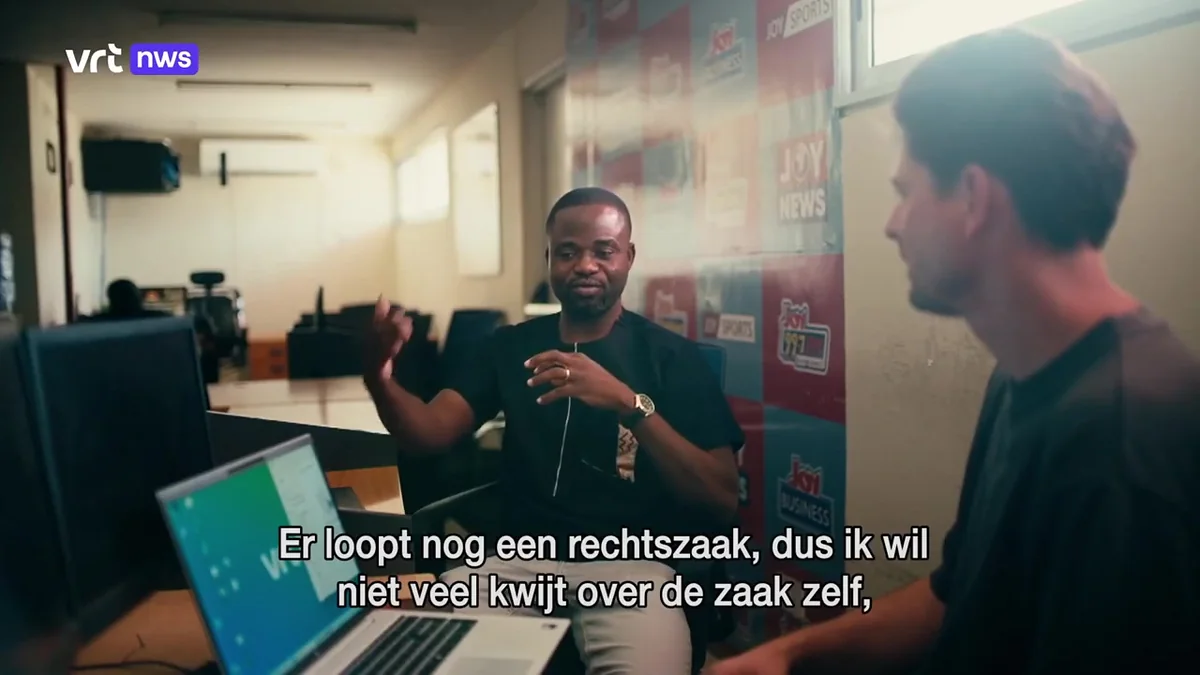
It is the church’s case against him. In December 2021, Lighthouse Chapel International sued Awuni6 Graphic Online; Ghana News Agency, Jul 2026 and his publishers for defamation, which means harming someone’s reputation by publishing false things about them. The stories it sued over are the same stories VRT went to Ghana to repeat. That trial is still going on.
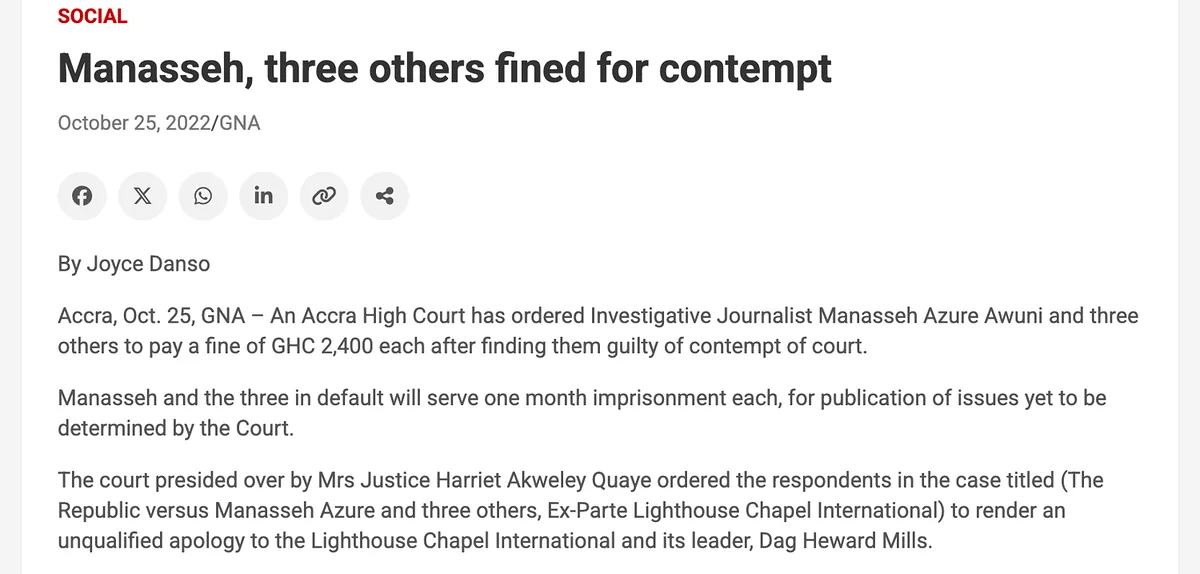
In October 2022, the Ghana News Agency reported, the High Court in Accra found Awuni guilty of contempt of court7 Ghana News Agency, 25 Oct 2022; Daily Guide in that case. Contempt of court means disobeying or disrespecting a court while a case is going on. Here, it was for publishing about matters the court had not yet decided. The court fined him. It also ordered him to apologise publicly to the church and to Bishop Dag.
One of Awuni’s most shocking claims, repeated on VRT, is that a pastor tried to kill himself “several times”. In court in January 2025, Awuni was cross-examined8 Citi Newsroom, Jan 2025, meaning he was questioned by the church’s lawyer. According to reports of the hearing by Citi Newsroom and GhanaWeb, he agreed that he had not obtained the pastor’s medical records before publishing the claim.
And there is one more link. Odonkor is listed as a witness for Awuni’s defence9 Ghana Business News, 16 Jul 2026 in that same trial.
So here is the full picture. The journalist is being sued by the church. The two bishops are suing the church. One of those bishops is also the journalist’s witness. Every Ghanaian voice the film used against the church is in a court case with it. VRT told its viewers none of this.
Pano’s experts carried a different kind of authority. Viewers expect an expert to be neutral.
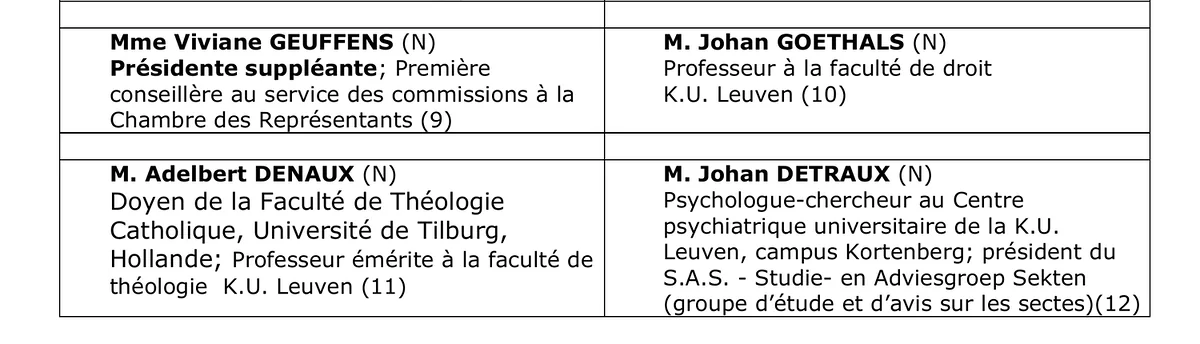
The first is Johan Detraux. On screen he is called a “religious psychologist and former Jehovah’s Witness”. He talks about a “honeymoon phase”, a “rabbit hole” and “a tangle of emotional manipulation”. VRT told viewers which religion he had left. It did not tell them what he has done since. He chaired a Flemish study and advice group on sects10 IACSSO biennial report 2007-2008; UPC KU Leuven, on his book (the S.A.S., Studie- en Adviesgroep Sekten). He sat, as a substitute member, on the Belgian government’s centre that watches sects. And he wrote a book that presents sects as a hidden danger inside Belgian society.
In other words: he is not a neutral observer. He has worked against sects for about twenty years. Nothing VRT published suggests he ever studied Go Church. Yet the programme told viewers that the abuse it describes “does not surprise” him.11 VRT NWS, abuse article, 21 Oct 2026
The second expert is a sociologist, Wim Vandewiele. He was more careful than the film around him. On screen he says there are “traces” of a harmful movement, and he adds that such groups “are certainly not banned”.
And the facts behind the film’s word “sect” are simple. No court has ruled against Go Church. No one has been charged with anything.
Last, there is the church’s answer.
Pano contacted the church, and the church replied in writing, in detail, two days before the broadcast. It covered the money, young people, therapy, hobbies, friends, and the case of the former leader.
Near the end of the film, the narrator told viewers that neither Bishop Dag nor the church’s pastor had responded. About a minute and a half later, the film used one sentence from the church’s long reply12 VRT broadcast, 43:47 to 43:58; Go Church’s full reply on vrtnws.be: the pastor “denies all allegations”, and as for the abuse, “we dealt with it.”
Forty-six minutes of accusation. Eleven seconds of answer. Is that fair? The rest of the reply was put on a webpage most viewers would never read.
vrtnws.be21 oktober 2026
De reactie van Go Church
Waar gaat het geld naartoe dat tijdens diensten en evenementen wordt ingezameld?
Het geld wordt gebruikt om de huur en andere operationele kosten te betalen voor de locaties waar onze kerken samenkomen.
Welk percentage van de donaties van jongeren of van hun uitgaven aan boeken, gaat naar Lighthouse in Ghana?
Go Church België maakt geen percentage van de tijdens diensten en evenementen ingezamelde donaties over aan Lighthouse in Ghana.
Waarom wordt het leden moeilijk gemaakt om uit de kerk te stappen?
Leden zijn vrij om Go Church op elk moment te verlaten. We verplichten niemand om te blijven en verwachten ook niet dat leden hun vriendschappen met degenen die vertrekken, beëindigen. We erkennen dat het verlies van vriendschappen pijnlijk kan zijn, hoewel we ons niet kunnen uitspreken over de persoonlijke relaties van elk individu.
Welke maatregelen heeft Go Church genomen toen de beschuldigingen tegen Kojo* aan het licht kwamen?
Hij was destijds werkzaam als vrijwilliger en was niet de verantwoordelijke pastor van de kerk. Toen de kerk kennis nam van de beschuldigingen, werd hij onmiddellijk en definitief uit de kerk verwijderd. Geen van de betrokken vrouwen was ten tijde van de incidenten minderjarig.
Zijn de beschuldigingen gemeld bij de politie of een andere beschermingsinstantie?
De kerk heeft de beschuldigingen niet bij de politie gemeld. Alle betrokken vrouwen waren op het moment van de incidenten meerderjarig. Ze werden aangemoedigd om de beschuldigingen bij de politie te melden en kregen de verzekering dat de kerk hen daarbij volledig zou steunen. Ze weigerden dit en vroegen de kerk uitdrukkelijk om de zaak niet namens hen te melden. De kerk respecteerde hun wensen. Hun besluit weerhield de kerk er niet van om maatregelen te nemen: Kojo werd onmiddellijk en definitief uit de kerk gezet.
The Gospels describe a case that was also built from witnesses. At Jesus’ trial, Mark writes, “the chief priests and all the council sought for witness against Jesus to put him to death; and found none. For many bare false witness against him, but their witness agreed not together” (Mark 14:55-56). The council had already decided what it wanted, and then went looking for people to say it. This chapter does not call anyone a liar. It asks what any fair judge asks first: who the witnesses are, and what they stand to gain.
The people who spoke to Pano had things to say. But viewers were asked to trust them without being told who they were.
Put together, the case looks like this. It started with an anonymous call for complaints. It used “six former bishops”, when four were not bishops. Two of its main voices are suing the church. The journalist who found them is on trial for defamation over the same stories. And its main expert has worked against sects for about twenty years.
That is the case. What follows is the record.
Translations from Dutch in this series are ours unless stated otherwise.
Notes
- VRT NWS, follow-up on venues and cities, 22 Oct 2026
- VRT broadcast, 02:25 to 02:46; VRT NWS, main article, 21 Oct 2026
- Go Church’s written reply to VRT (its own figure)
- Citi Newsroom, Aug 2021
- MyJoyOnline, the labour suit filed 19 Apr 2021
- Graphic Online; Ghana News Agency, Jul 2026
- Ghana News Agency, 25 Oct 2022; Daily Guide
- Citi Newsroom, Jan 2025
- Ghana Business News, 16 Jul 2026
- IACSSO biennial report 2007-2008; UPC KU Leuven, on his book
- VRT NWS, abuse article, 21 Oct 2026
- VRT broadcast, 43:47 to 43:58; Go Church’s full reply on vrtnws.be
The record VRT left out
Lawrence Odonkor
Former bishop. On VRT as “ex-bishop Lawrence”.
July 2022
His former assistant in Madagascar, the Rev. Edmund Amartey, published the messages in which Odonkor directed the sale of the church branch’s Land Cruiser and asked for the proceeds. Odonkor apologised to him publicly. MyJoyOnline, Jul 2022
18 April 2023
A criminal court in Antananarivo, Madagascar, convicted him of fraudulent breach of trust and embezzlement of the church’s property. It sentenced him to two years in prison and ordered him to pay the church 75 million ariary in damages. Ghana News Agency, Oct 2023; MyJoyOnline, Oct 2023
7 May 2024
The Court of Appeal dismissed his first appeal. Ghana News Agency, Dec 2025
28 November 2025
The Court of Appeal of Antananarivo dismissed his second appeal as without merit and upheld the judgment in full. A warrant is out for his arrest if he enters Madagascar. Ghana News Agency, Dec 2025; GhanaWeb, Dec 2025
The six former pastors
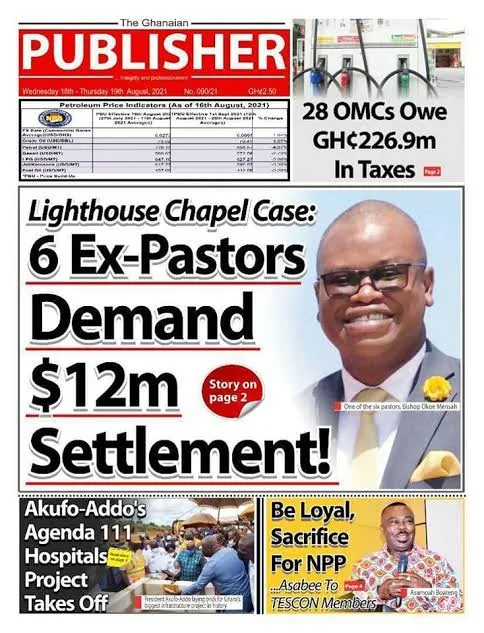
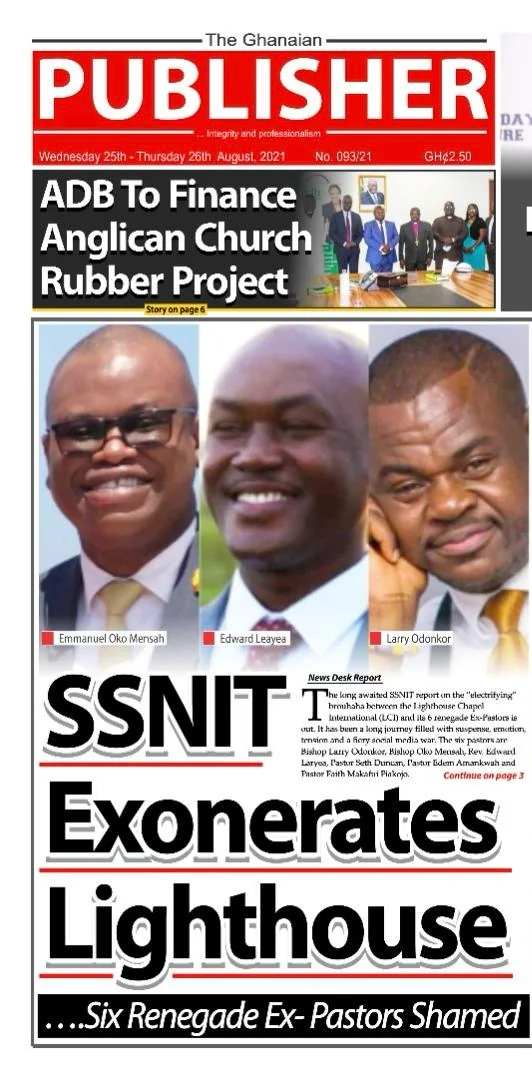
Odonkor, Emmanuel Oko Mensah (on VRT as “ex-bishop Emmanuel”) and four others, suing the church since April 2021.
3 August 2021
In open court in Accra, the church’s lawyer said the six had demanded twelve million dollars to settle. Their lawyer, Kofi Bentil, denied there was a demand. Citi Newsroom, Aug 2021; ModernGhana, Aug 2021
20 August 2021
SSNIT, Ghana’s pension regulator, backed the church. It found the church had paid Oko Mensah’s contributions for all his full-time years, August 2003 to November 2018. For Odonkor it found no employment by the church in Ghana outside June 2005 to June 2010 and early 2020. For three of the other four men it found no evidence of employment at all. MyJoyOnline, SSNIT findings, Aug 2021
16 December 2022
Bentil’s own letter to the church put a figure on each man: Larry Odonkor $3,975,200, his claim of $993,800 multiplied by four with a citation of Luke 19:8; Emmanuel Oko Mensah $2,181,520. On top of the total, 10% for the lawyer. Source: Letter from the six men’s lawyer to Lighthouse Chapel International, 16 December 2022.
Manasseh Azure Awuni
Journalist. On VRT as an investigative reporter.
July 2019
Ghana’s National Media Commission found his documentary on the De-Eye Group “misleading, unethical, sensational”. Citi Newsroom, Jul 2019; Graphic Online, NMC ruling, Jul 2019
December 2021
The church sued him and his publishers for defamation over the stories VRT went on to repeat. Graphic Online
25 October 2022
In that case, the High Court in Accra convicted him and three others of contempt of court, over six publications the court called “not only sensational but prejudicial”. Each was fined GH¢2,400 and ordered to apologise to the church and to Bishop Dag Heward-Mills. Ghana News Agency, 25 Oct 2022; Daily Guide, Oct 2022
26 August 2024
He publicly retracted his claim that Ibrahim Mahama personally owed a $28 million bank debt, and apologised. The debt was owed by Mahama’s company. GhanaWeb, Aug 2024
VRT presented these men as witnesses. Every one of these records is public. VRT didn’t tell you any of it.
VRT’s own record
23 June 2022, Raad voor de Journalistiek
Pano has been in front of Flanders’ press council before. On 23 June 2022 the Raad voor de Journalistiek upheld a complaint against its December 2021 report on the football agent Dejan Veljkovic. Pano had not told viewers that its journalist had written up Veljkovic’s own book at his lawyer’s request. And the journalist himself, not Veljkovic, had told viewers something false about the man who complained.
In its defence, VRT told the council that the journalist:
“heeft het waarheidsgehalte van alles wat in de reportage wordt gezegd niet gecheckt en de VRT garandeert niet dat het allemaal klopt”
“did not check the truth of everything that is said in the report, and VRT does not guarantee that it is all correct.”
That ruling is about a different programme. It is VRT’s own account of how far it checks what its sources say.
Sources Raad voor de Journalistiek, Borgions v. VRT Pano, 23 Jun 2022; The full decision (PDF)
The other voices
Morel
Former Go Church leader in Belgium
What VRT used him for “He knows everything” about the abuse, and the film’s last word, “cult”.
- The one line that ties Bishop Dag to the abuse rests on Morel’s belief that “he knows everything”. He gives no meeting, date, message or person.
- VRT ran Anna’s “the prophet was informed” straight into his line, so two beliefs sound like corroboration. VRT’s own written abuse article repeats neither.
- “Cult” is put in his own terms: “my definition”, twice.
Sources VRT NWS, abuse article, 21 Oct 2026; VRT broadcast, 37:55 to 38:22
Johan Detraux
Shown as “religious psychologist and former Jehovah’s Witness”
What VRT used him for The “honeymoon phase”, “a tangle of emotional manipulation”, and the abuse that “does not surprise” him.
- Listed in the 2007-2008 report of the Belgian state’s sect-observation centre (IACSSO) as president of the S.A.S. (Studie- en Adviesgroep Sekten), a study and advice group on sects, and named a substitute member of the centre by the Chamber of Representatives in February 2007.
- Author of “Het verborgen gevaar: sekten in België en hun infiltratie in de samenleving” (2021), which presents sects as a hidden danger in Belgian society.
- VRT disclosed the faith he left. It did not disclose the advocacy role. Nothing VRT published says he studied Go Church.
Sources IACSSO biennial report 2007-2008; UPC KU Leuven; VRT NWS, abuse article
Wim Vandewiele
KU Leuven sociologist of religion
What VRT used him for Megachurches have “a hidden agenda… often it’s money”, placed after the money testimony.
- His line about money was about megachurches in general. It names no church.
- On air he said there are “traces” of a harmful movement and that such groups “are certainly not banned”.
Sources
How the film was made
The call-out
The investigation began with one anonymous TikTok post asking Antwerp’s young people to send Pano anything they had experienced “that should be investigated”. The religion teacher who posted it appears only as a voice and a blurred figure, and what she says comes from her pupils: “Door mijn leerlingen eigenlijk.”
The hidden camera
A De Morgen reporter, by VRT’s own account “by far the oldest” in the room, joined youth services in Merksem, Leuven and Ghent and filmed them with a hidden camera, including a Bible class of 14- to 16-year-olds. VRT blurred the faces. When he was caught photographing during a service and asked to leave, the film presented it as a door that “slams shut”.
The reply
Go Church answered VRT’s questions in writing two days before the broadcast. The film used one sentence of it, and a minute and forty-one seconds earlier its narrator had said the Belgian pastor “does not respond”.